News
Read the latest news from the Department of Physics
UT News
Governor Abbott Announces Texas Semiconductor Innovation Fund Grant To Texas Quantum Institute
The announcement notes: “UT Austin is where world-changing discoveries in quantum research and development are being made.”
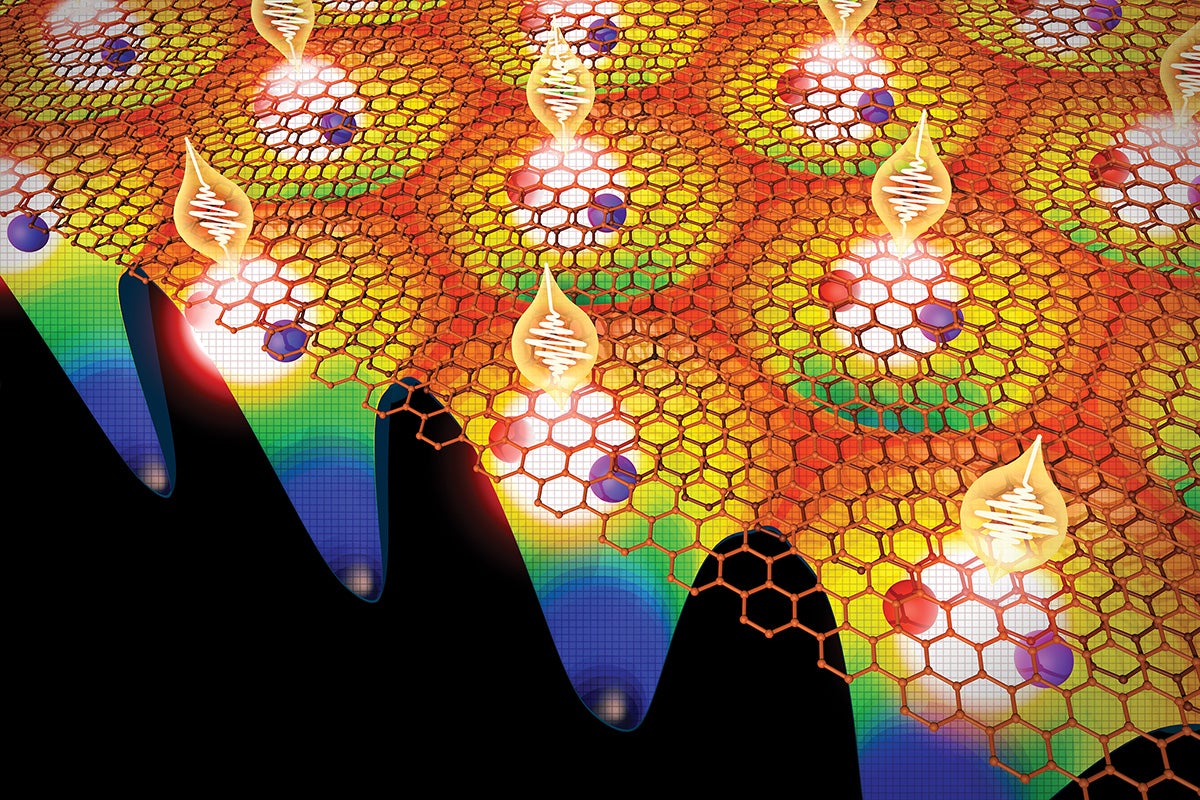
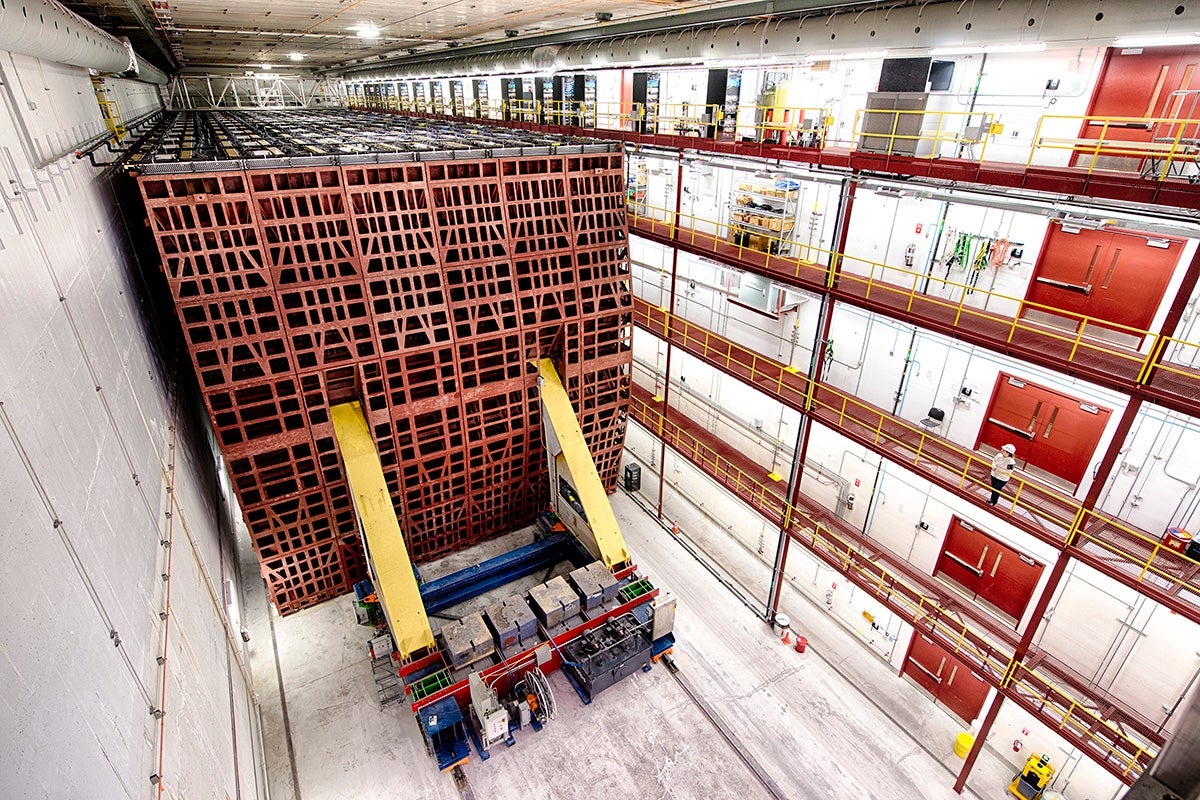
Experiment Sets Tightest Limits Yet on Proposed Dark Matter Particles
UT physicists involved with LUX-ZEPLIN helped analyze the largest dataset ever collected by a dark matter detector.
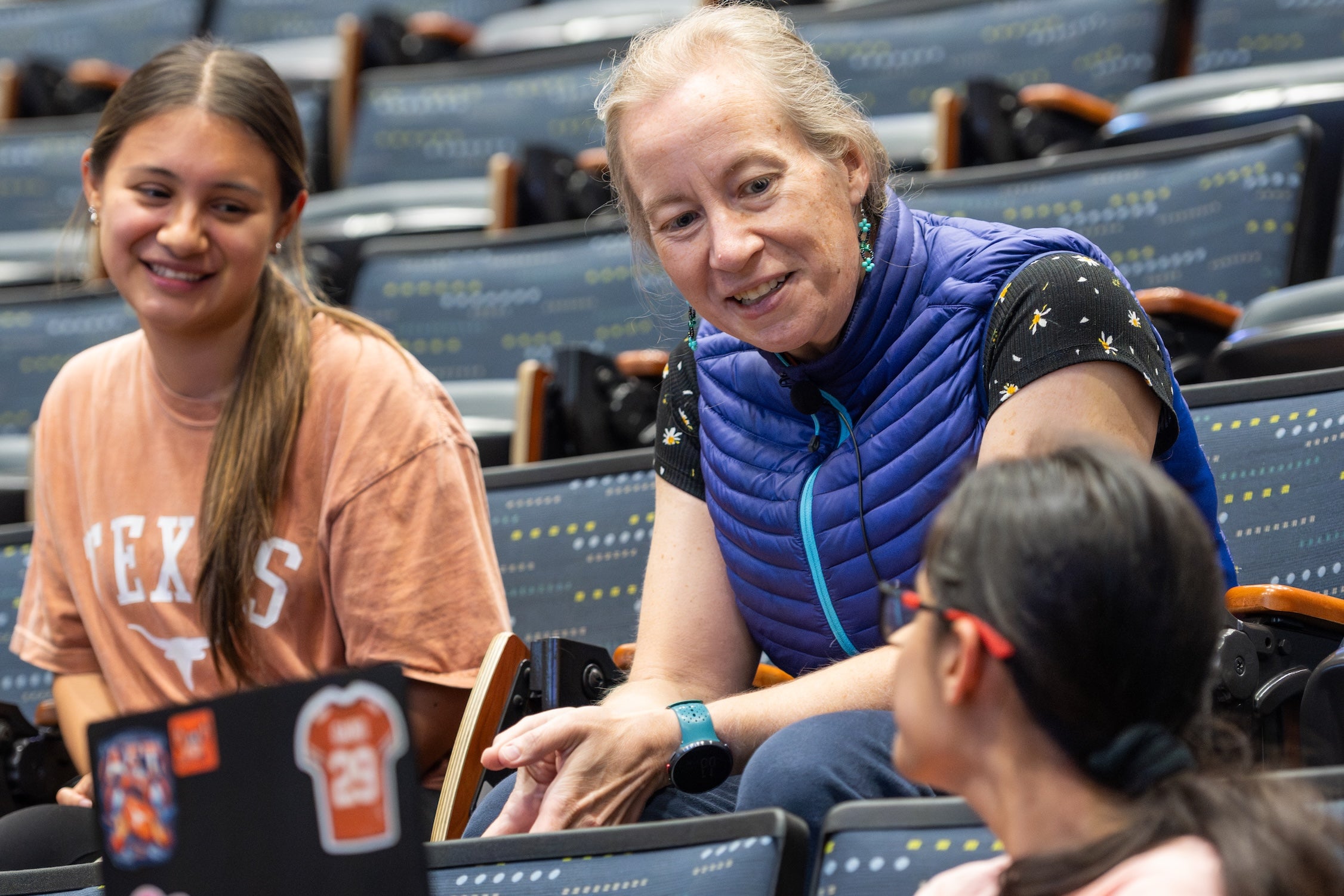
5 Questions for Vernita Gordon
The winner of a Regents’ Outstanding Teaching Award highlights classroom approaches linked to lasting impact.
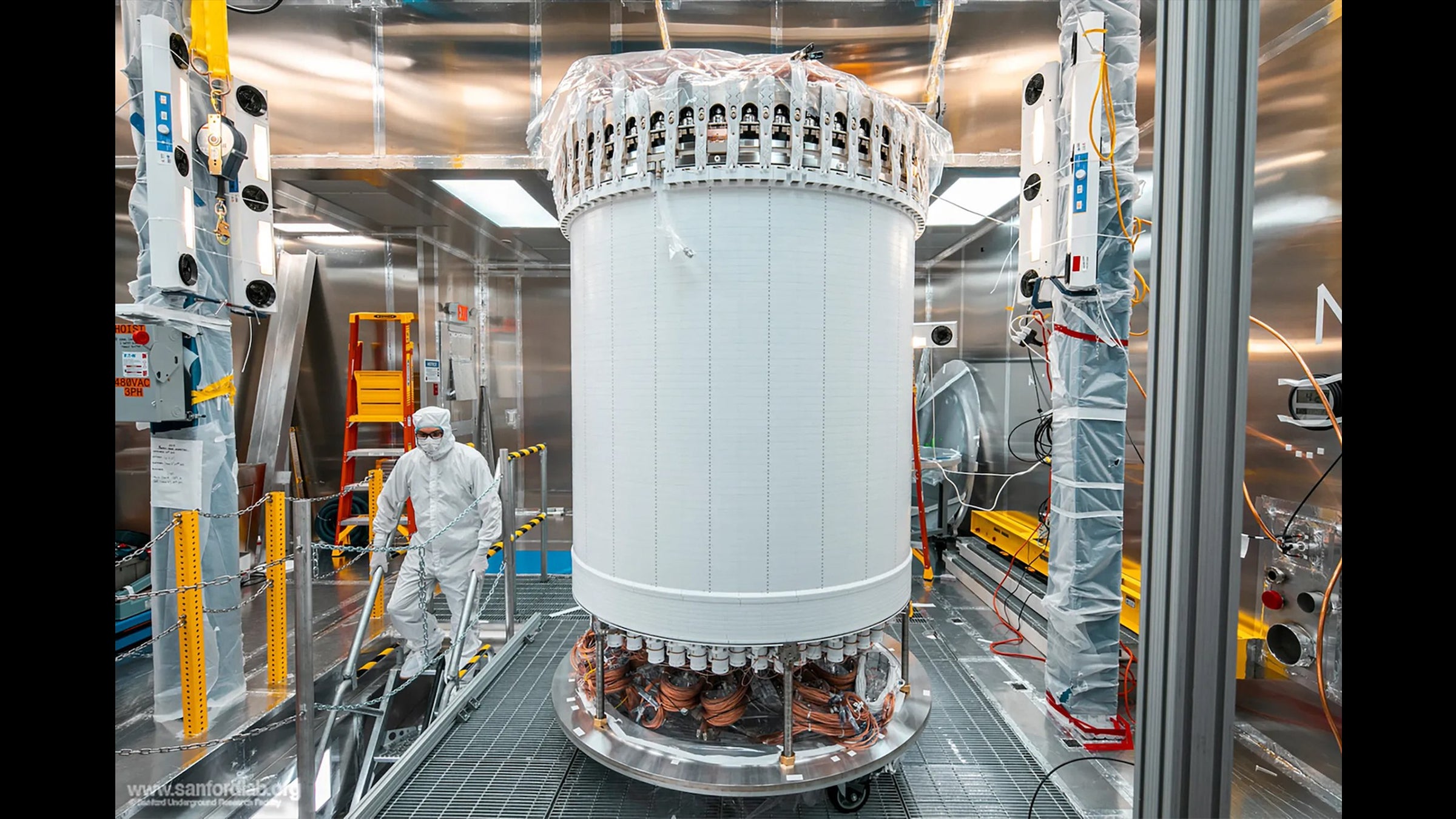
“Rival” Neutrino Experiments NOvA and T2K Publish First Joint Analysis
The results add to physicists’ understanding of neutrinos and validate collaboration between major experiments.
Vernita Gordon Receives 2025 Regents Outstanding Teaching Award
The ROTA recognize extraordinary classroom presence and innovative teaching methods.

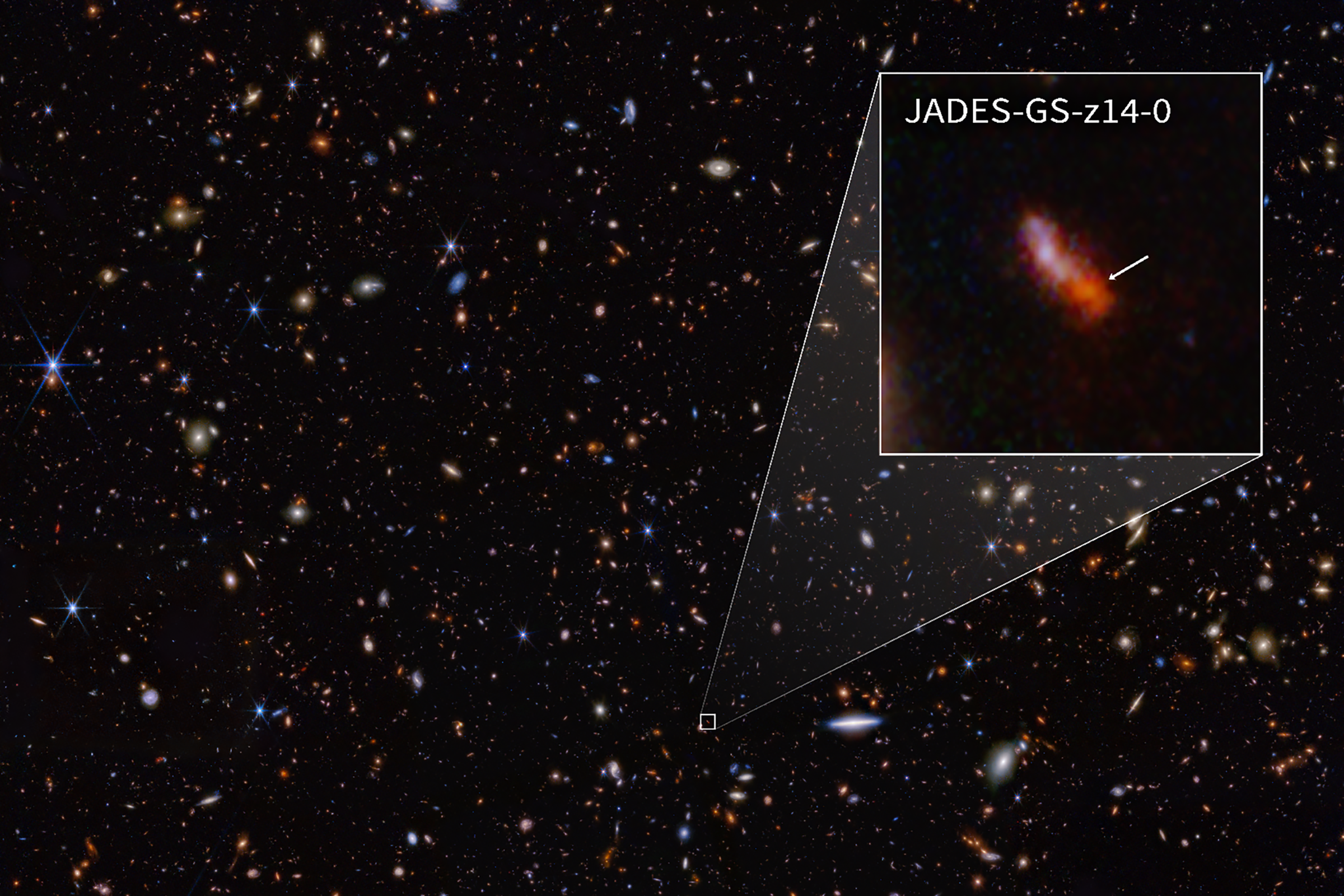
More Dark Star Candidates Found in JWST Data
A growing list of dark star candidates could help explain why some early galaxies were so big, so early in the universe.
Texas Quantum Institute
Quantum Leap for STEM Graduate Training at UT
A new initiative will prepare graduate students in the rapidly evolving field of quantum science and technology.
Stephen Hawking Was Right: Black Holes Always Grow in Area
Researchers celebrate 10th anniversary of gravitational wave discovery, announce verification of a Hawking theorem.

Three College of Natural Sciences Faculty Win NSF CAREER Awards
The award, recognizing early-career faculty, will support research in computer science and physics.

Edoardo Baldini Awarded Ludwig-Genzel-Prize 2025
The UT Austin physicist won for “exceptional contributions to the field of condensed-matter spectroscopy.”