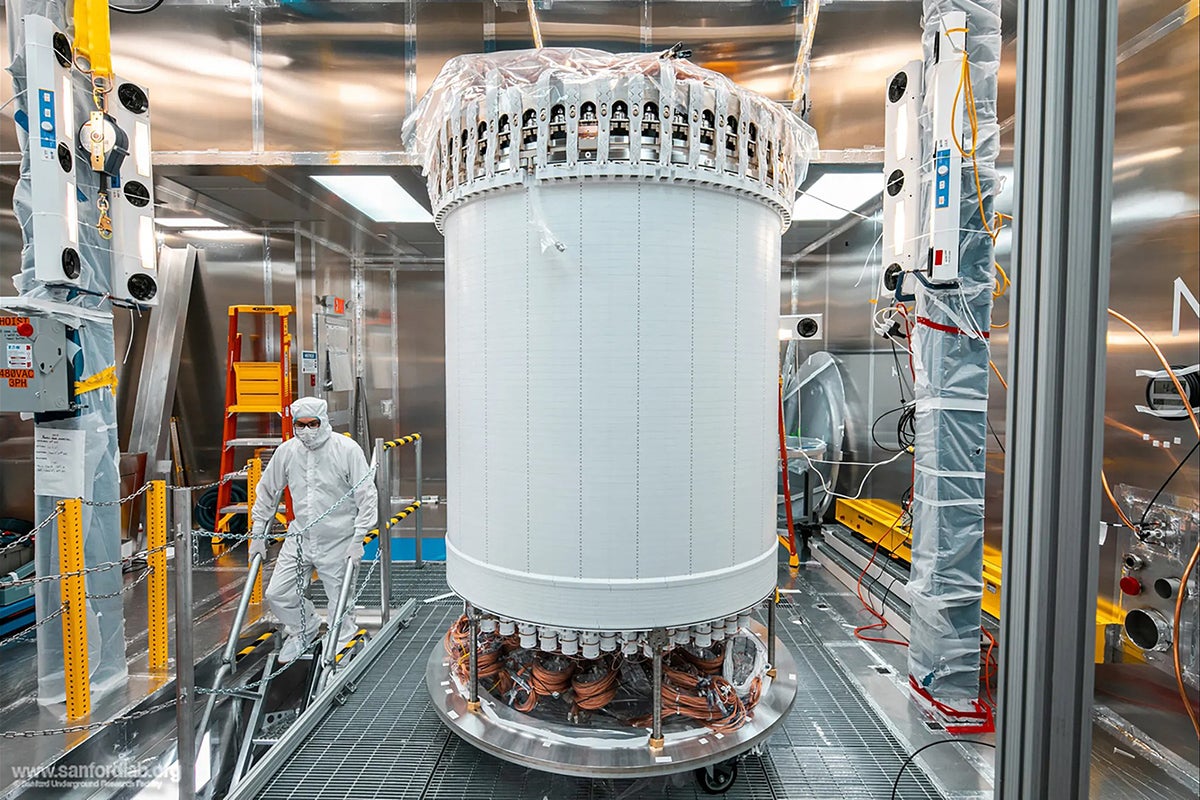
Did the LUX-ZEPLIN Experiment Detect a Dark Matter Particle?
A single particle interaction could be a signal that scientists detected dark matter.
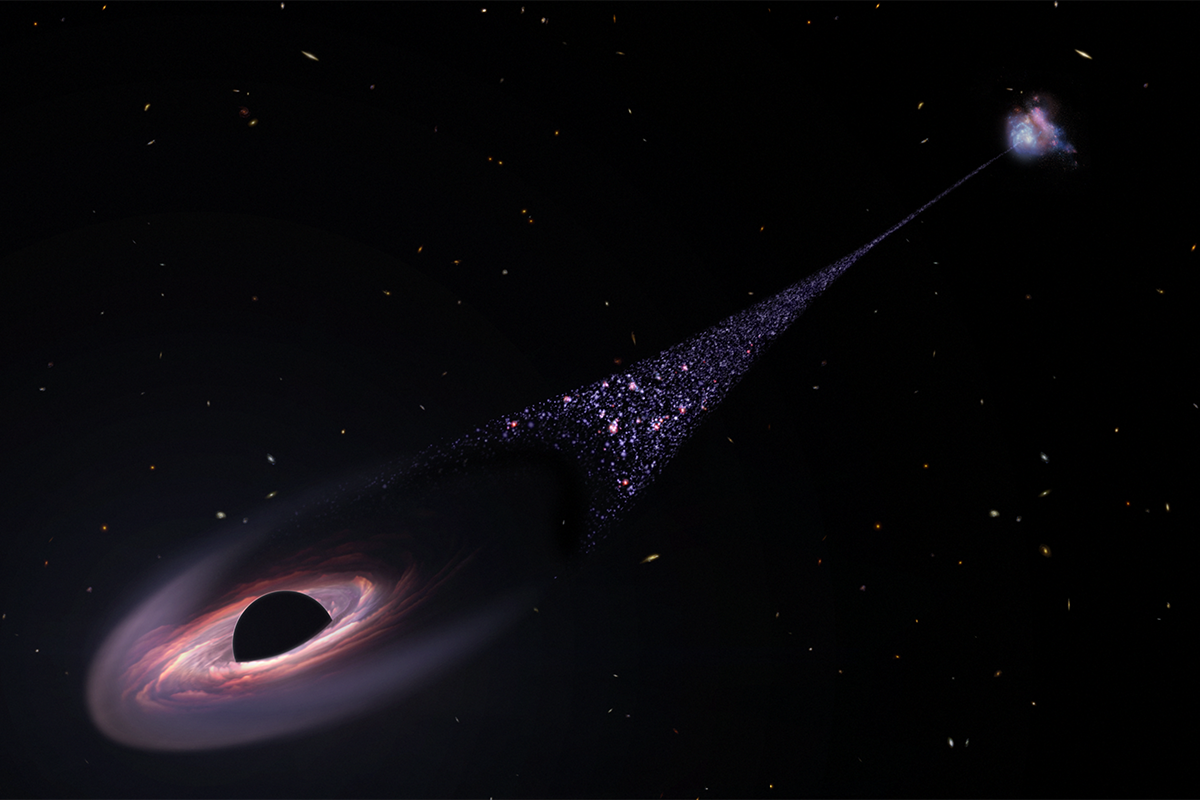
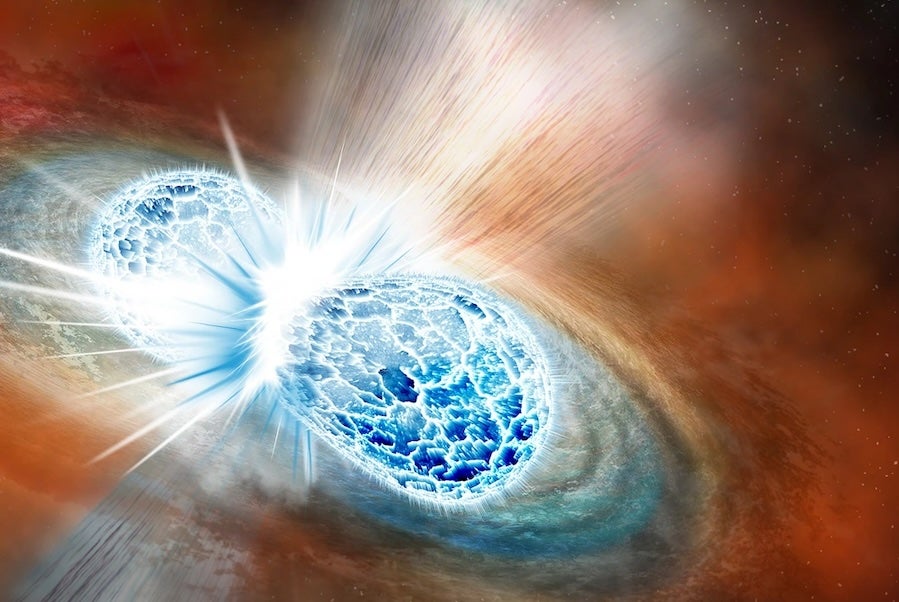
Physicists Reconstruct the Collision That Launched a Runaway Black Hole
When two black holes became one, it was launched out of its galaxy at astonishing speed
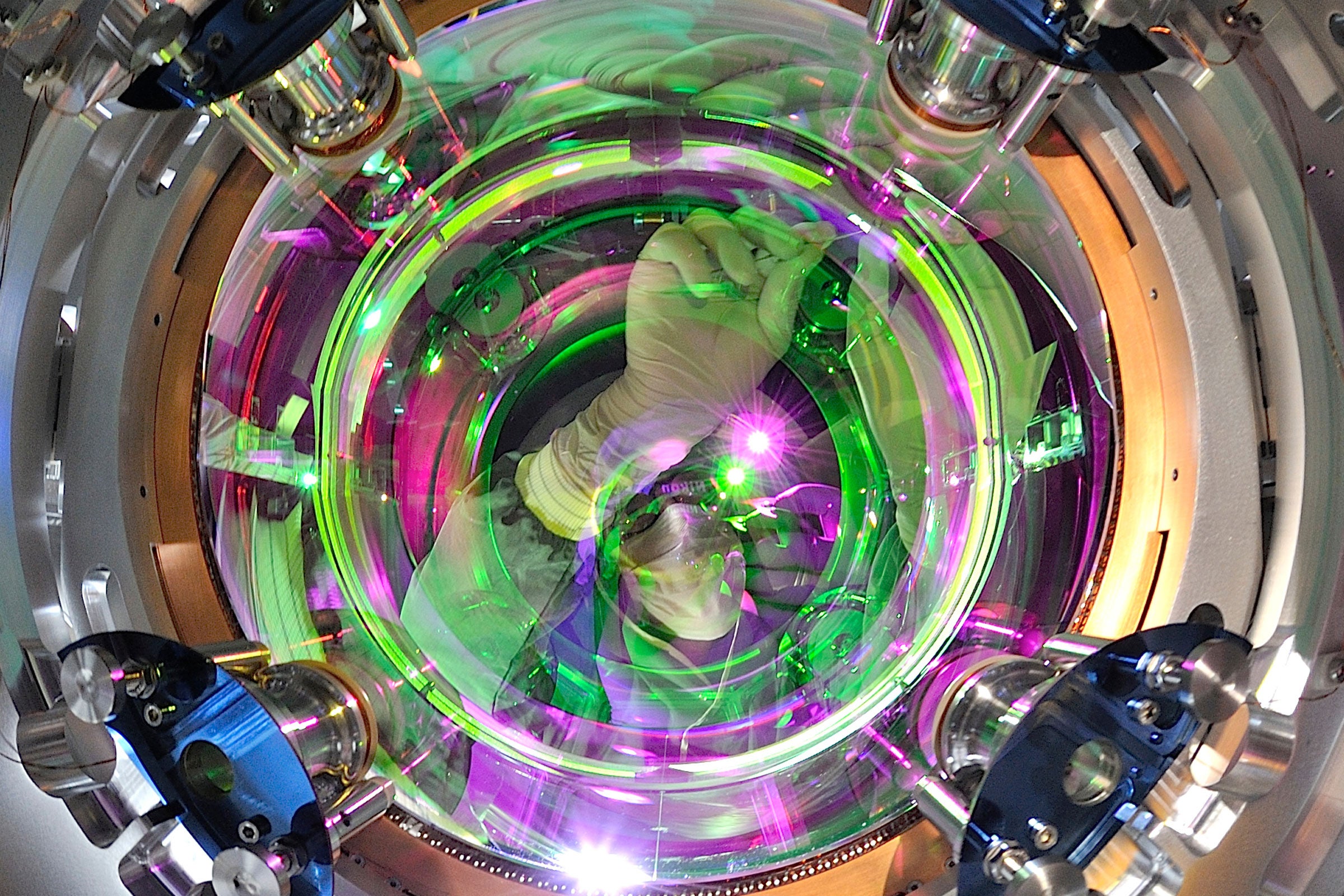
UT Scientists Help Measure Universe’s Expansion with Gravitational Waves
An era of precision gravitational astronomy has arrived, and UT physicists are helping lead the way.
Kimberly Boddy Named a Sloan Research Fellow
The two-year fellowships are awarded annually to early-career researchers seen as emerging leaders in their fields.

Are Atoms Like Snowflakes? Physicist Proposes a New Test
A paper in Physics Letters B explores quantum mechanical tests of distinguishability and determinism in atoms.

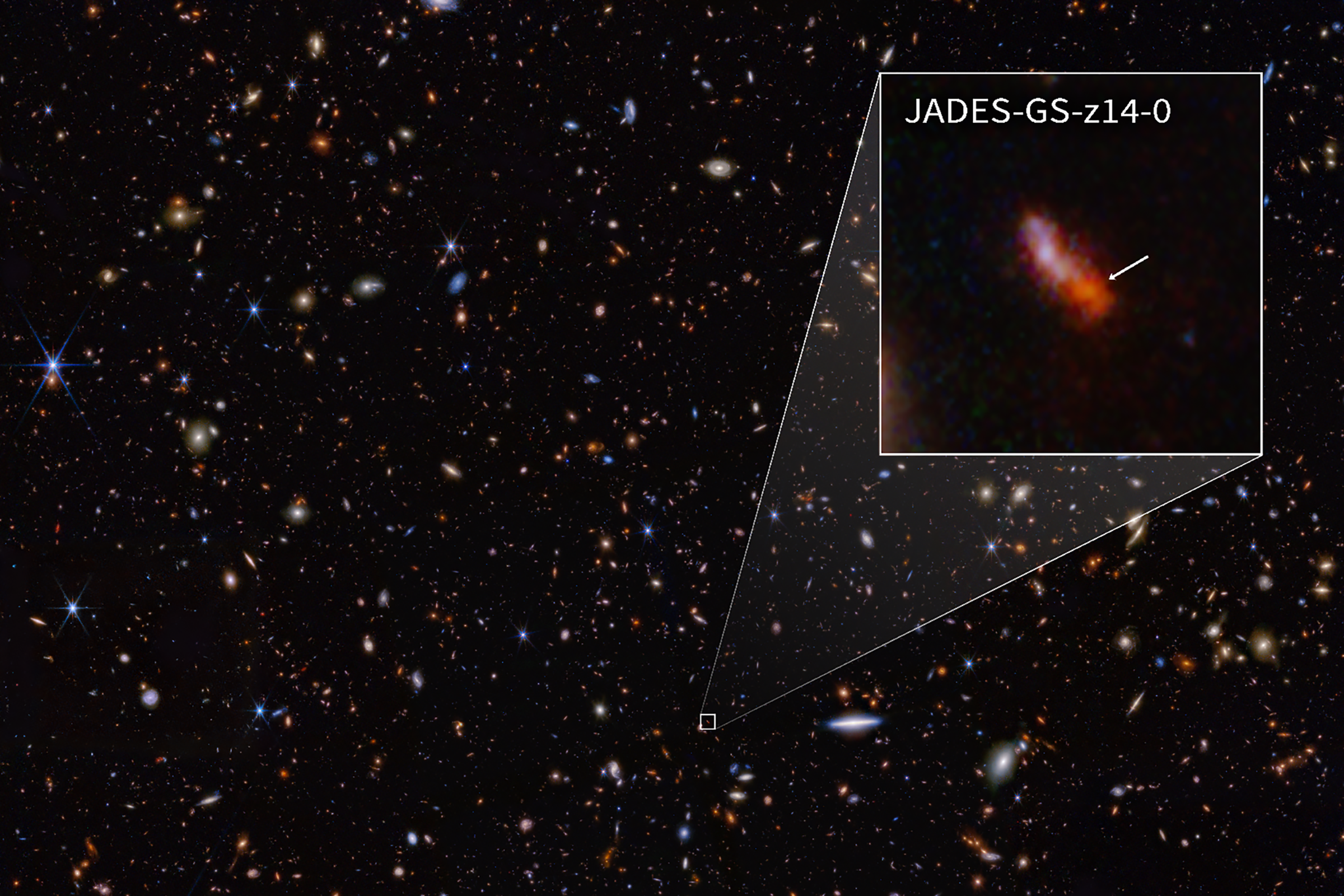
More Dark Star Candidates Found in JWST Data
A growing list of dark star candidates could help explain why some early galaxies were so big, so early in the universe.
Stephen Hawking Was Right: Black Holes Always Grow in Area
Researchers celebrate 10th anniversary of gravitational wave discovery, announce verification of a Hawking theorem.

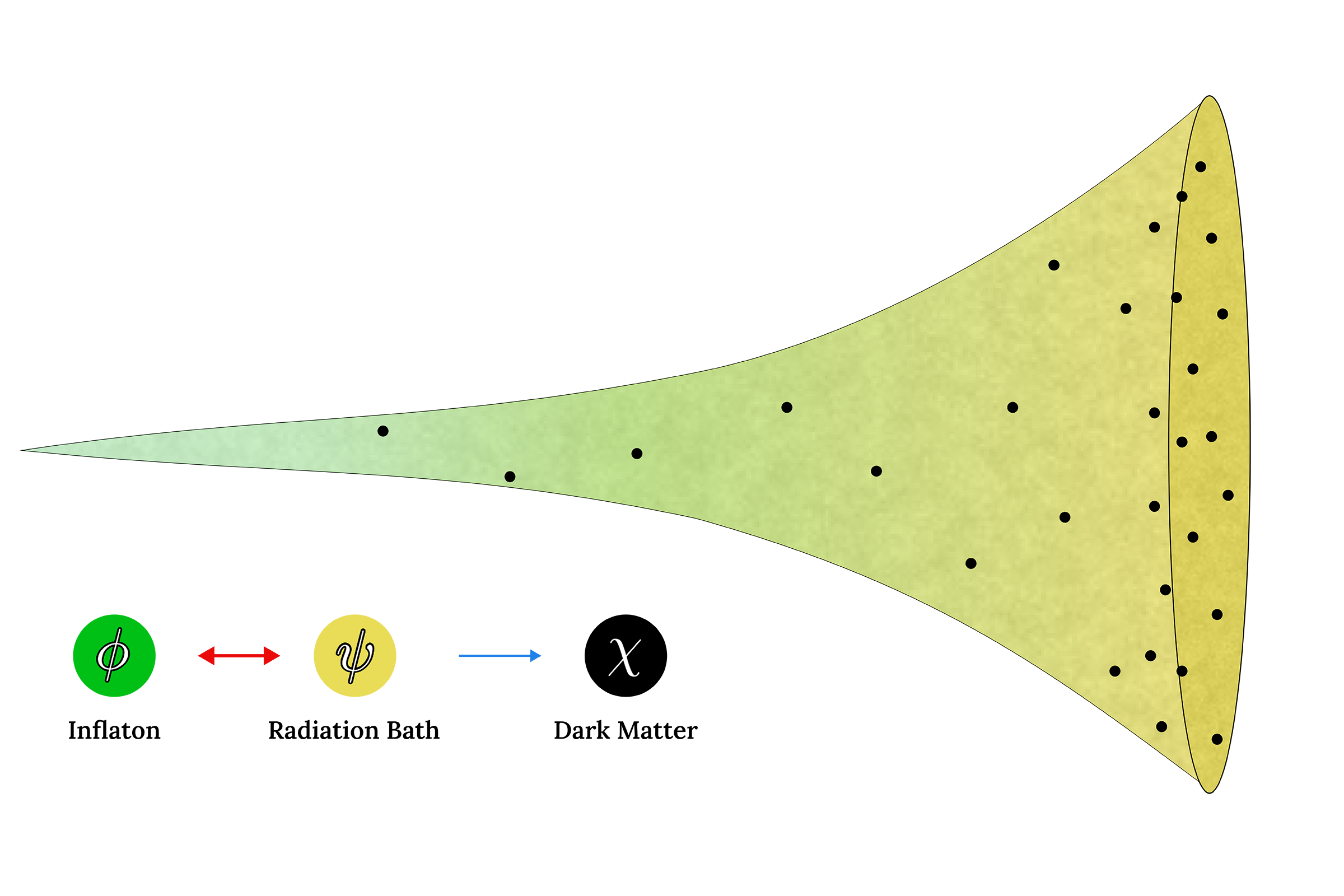
Dark Matter Might Have Formed Earlier than Thought
The new model is called WIFI, which stands for dark matter production during Warm Inflation via Freeze-In.
Improved Method for Estimating the Hubble Constant with Gravitational Waves
There’s a big debate in cosmology about how fast the universe is currently expanding.
Is Cosmology in Crisis?
A panel of physicists and astronomers grapple with possible cracks in our modern creation myth, the standard model of cosmology.