Excavation of Colossal Caverns for Neutrino Experiment Completed
The caverns in Lead, South Dakota, will house the gigantic particle detectors of the Deep Underground Neutrino Experiment.

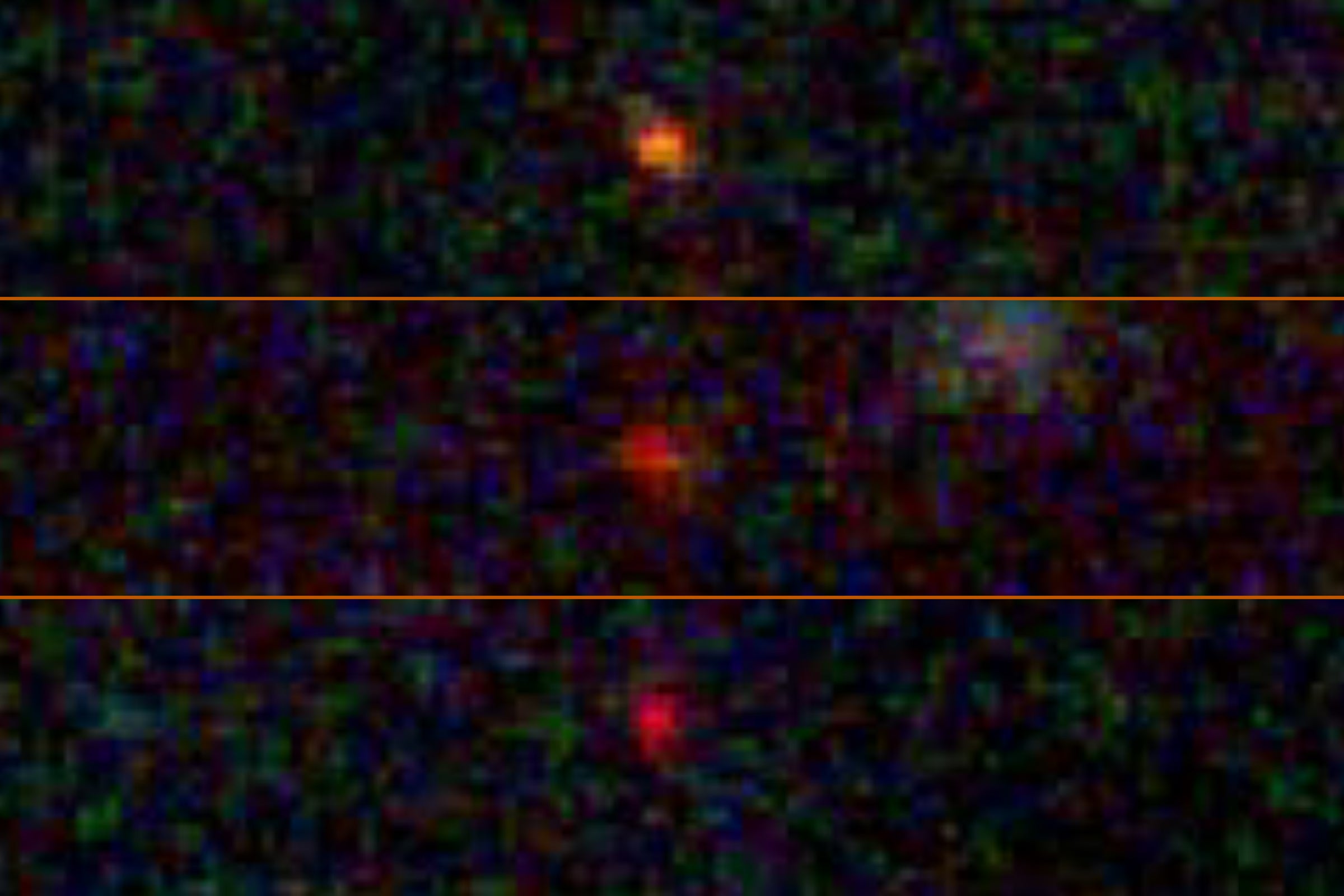
James Webb Telescope Catches Glimpse of Possible First-Ever ‘Dark Stars’
Stars powered with dark matter still need proving but could reveal clues about the nature of one of the universe’s great mysteries.
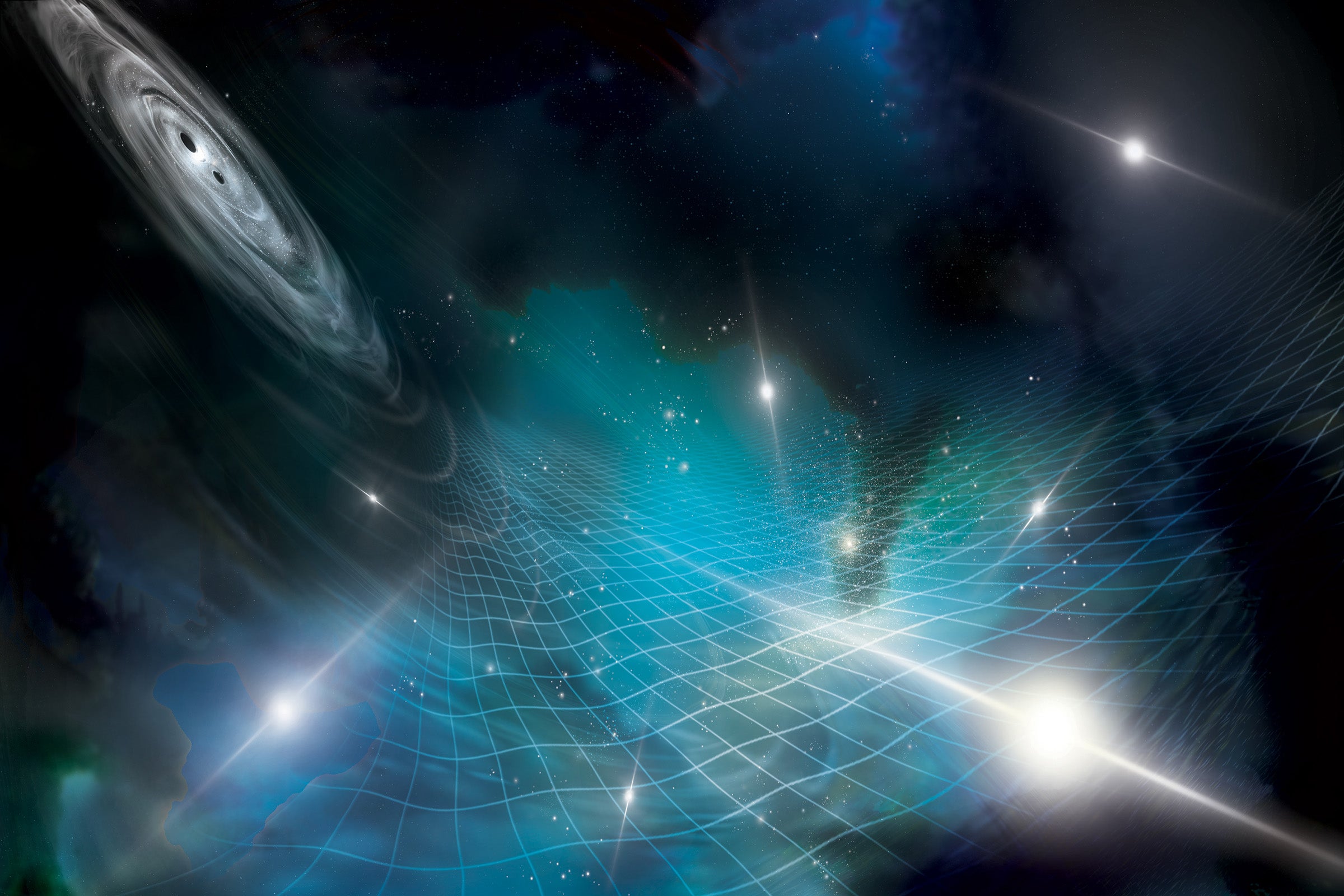
Scientists use Exotic Stars to Tune into Hum from Cosmic Symphony
A team of astrophysicists has found evidence for gravitational waves that oscillate with periods of years to decades.
A Physicist’s Search for Beauty
Steven Weinberg aimed to distill the rules of physics down to their simplest, most beautiful essence.
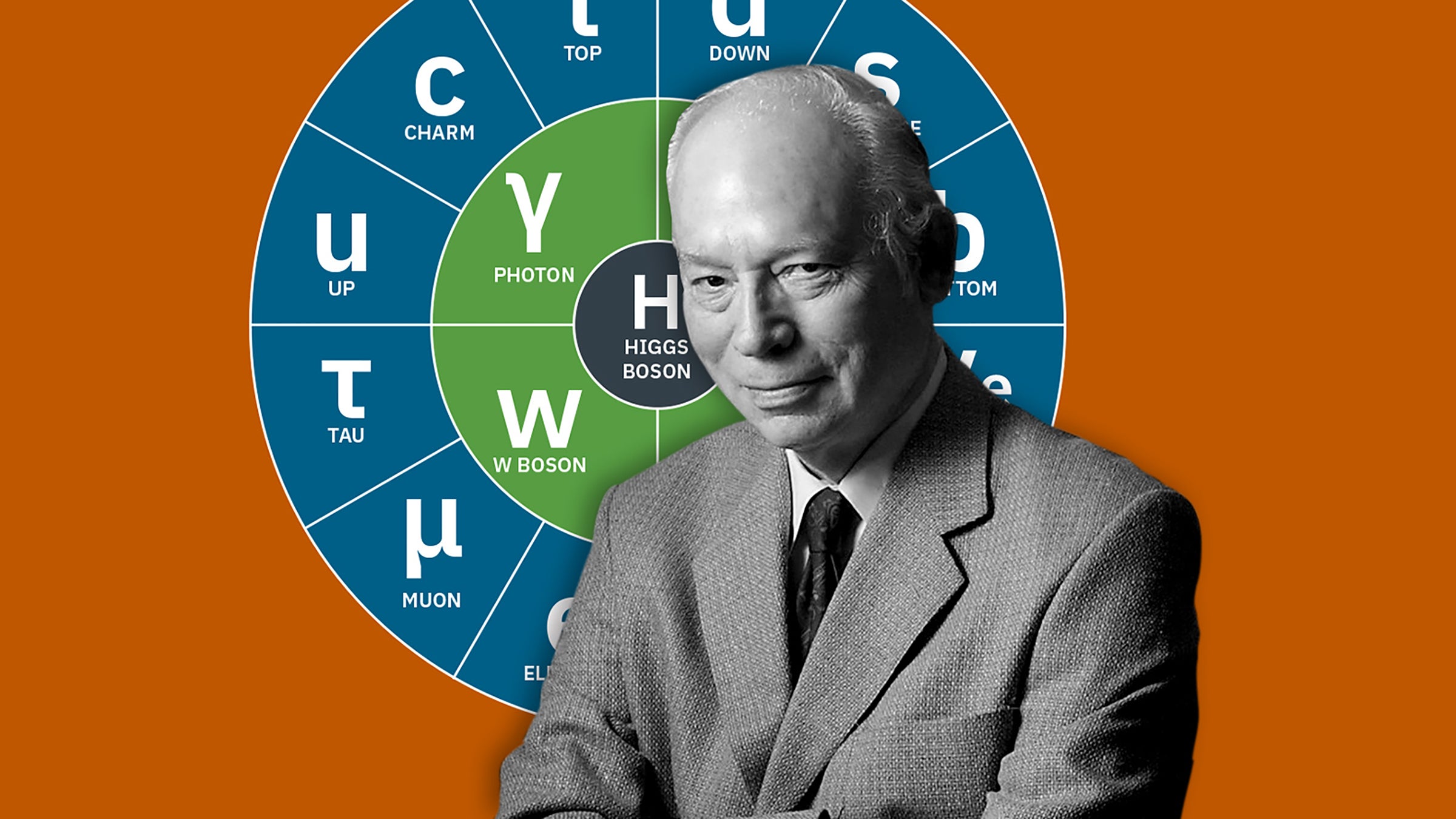
Remembering Steven Weinberg
Steven Weinberg was best known for his Nobel-prize winning work that unified two fundamental forces of nature — electromagnetism and the weak force.
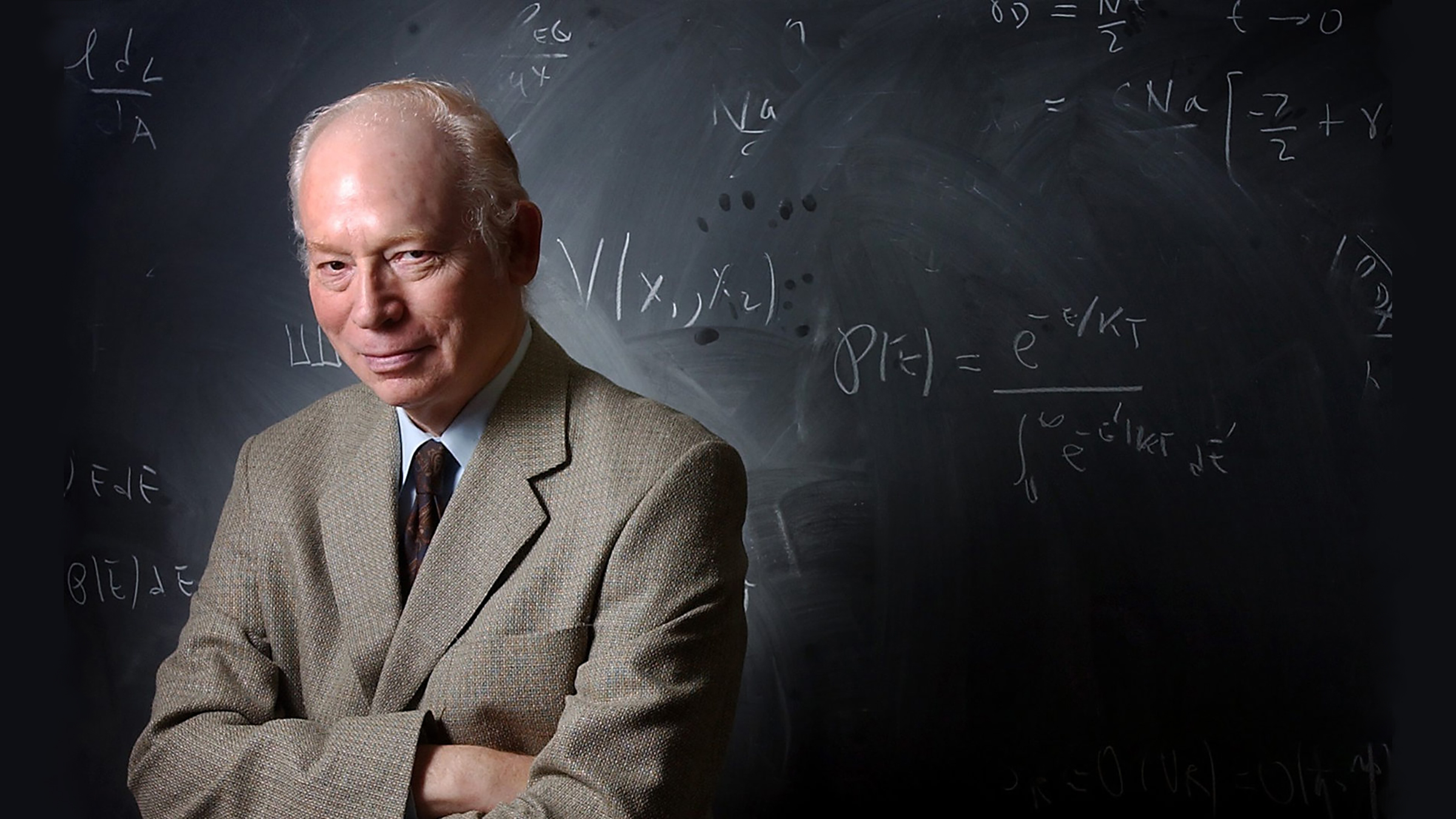
Cosmic Rumbles: New Faculty Probe Universe for Gravitational Waves
A couple who joined the Department of Physics in 2020, Pablo Laguna and Deirdre Shoemaker, study violent events in the universe, like when cosmic heavyweights collide.

Faculty Members Named to Professorships and Endowed Chairs
Several College of Natural Sciences faculty members have been newly appointed to special professorships and endowed chairs at The University of Texas at Austin.

UT News
Three UT Austin Faculty Elected to National Academy of Sciences
Astrophysicist Katherine Freese, astronomer John Kormendy and evolutionary biologist Mark Kirkpatrick of The University of Texas at Austin have been elected to the National Academy of Sciences.

Lilienfeld Prize Winner Katherine Freese Researches Dark Matter
The winner of the 2019 Lilienfeld Prize, given annually by the American Physical Society for outstanding contributions in physics, develops theories about dark matter and what happened at the start of the universe.

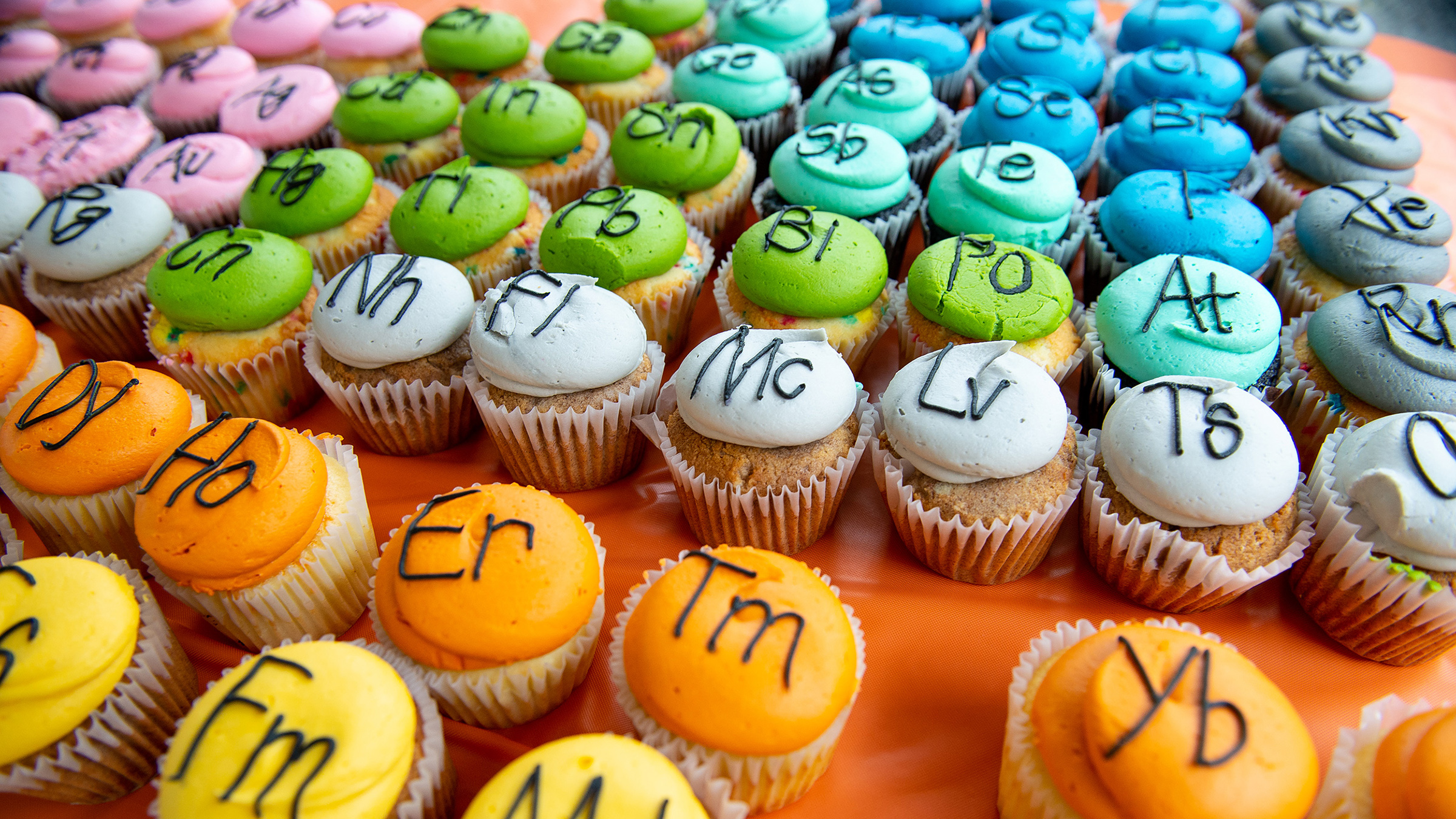
A Love Letter from Texas Scientists to the Periodic Table
We're celebrating the 150th anniversary of the periodic table. Join us as we tour the cosmos, from the microscopic to the telescopic, with four scientists studying the role of four elements—zinc, oxygen, palladium and gold—in life, the universe and everything.