
New Phononic Crystal Might Enable Better Mobile Communications
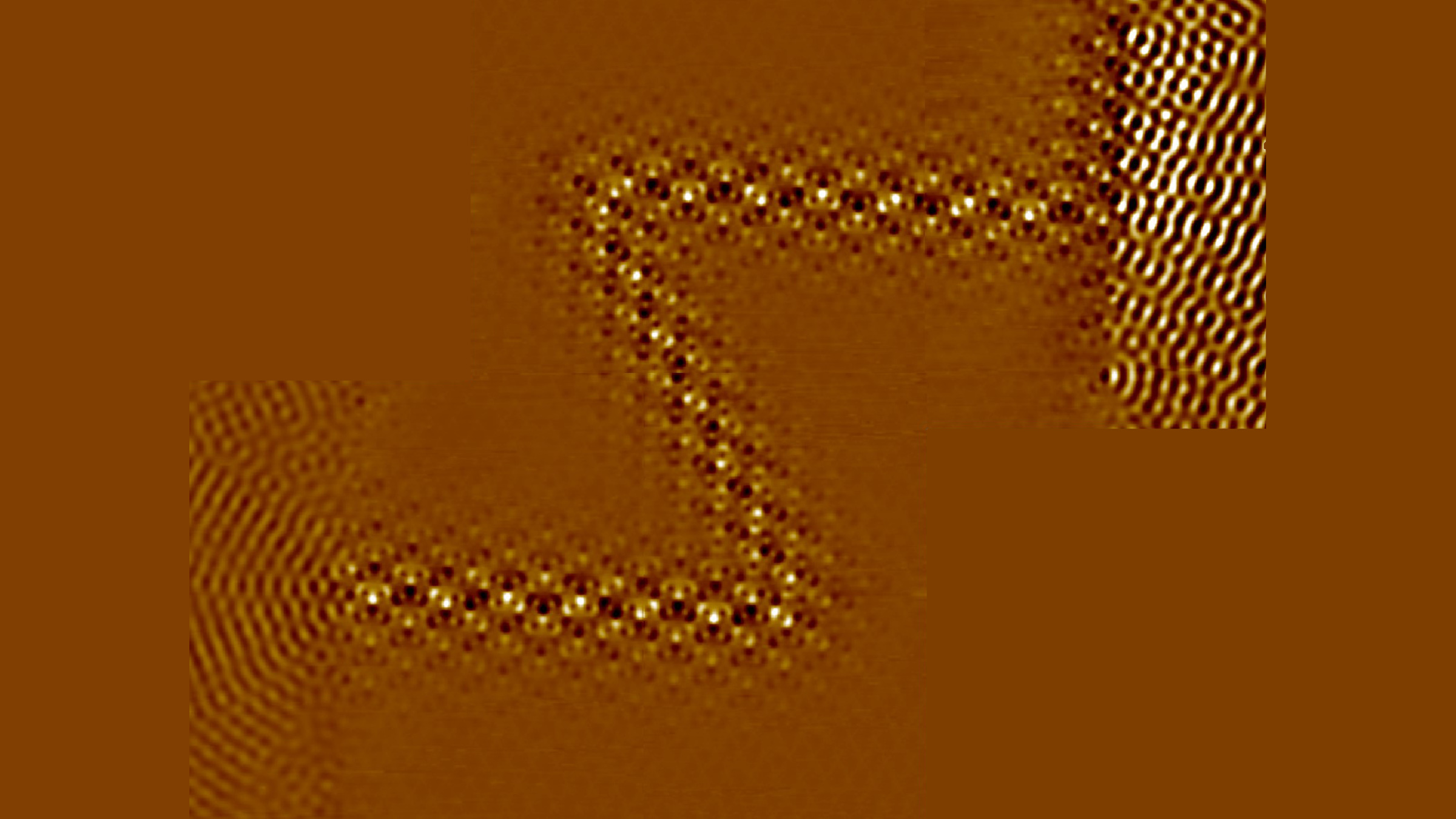
UT Austin researchers' new acoustic component, made of aluminum nitride and configured into periodic phononic crystals, allows engineers to direct high frequency elastic waves along predefined paths, including sharp turns and splits, without losing signal.
New Materials Could Lead to Computers That Work Like the Human Brain
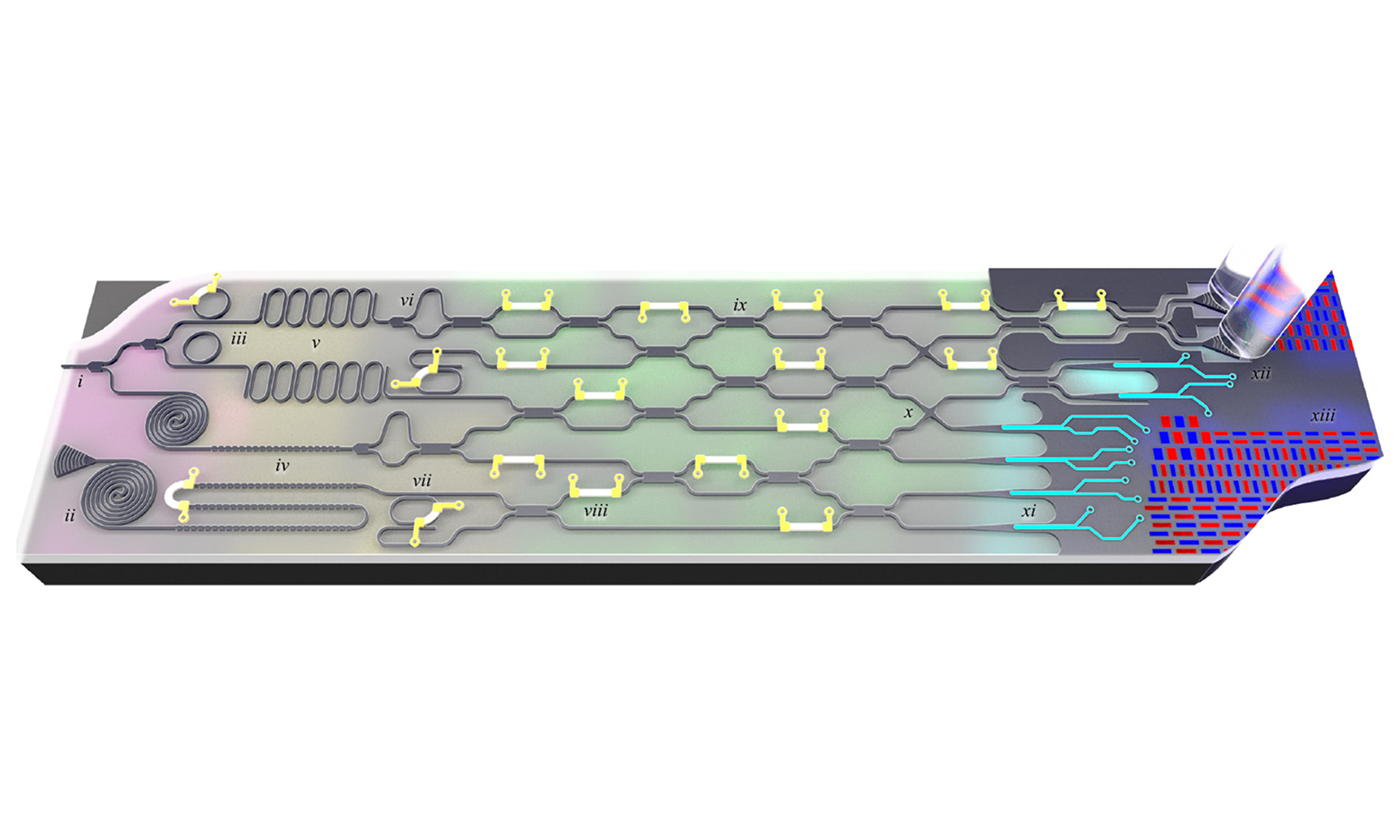
An interdisciplinary team of researchers are working on a radically new kind of computer called a neuromorphic computer, inspired by the human brain.
The Texas Scientist
One Photon at a Time
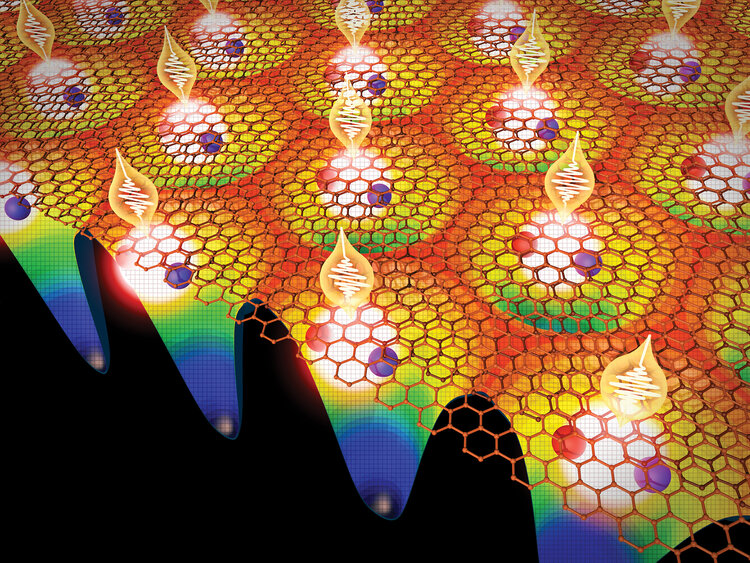
Xiaoqin Elaine Li explores how to control light emission from ultrathin materials stacked at slight angles, a single photon at a time
Allan MacDonald Wins Wolf Prize in Physics
UT Austin's Allan MacDonald has received the 2020 Wolf Prize which is generally considered the most prestigious award in physics other than the Nobel Prize.

Texas Advanced Computing Center
Twisted Physics: The Promise of Magic-Angle Graphene
Magic angle graphene produces switchable patterns of superconductivity, UT physicist Allan MacDonald found.

New Material Might Lead to Higher Capacity Hard Drives
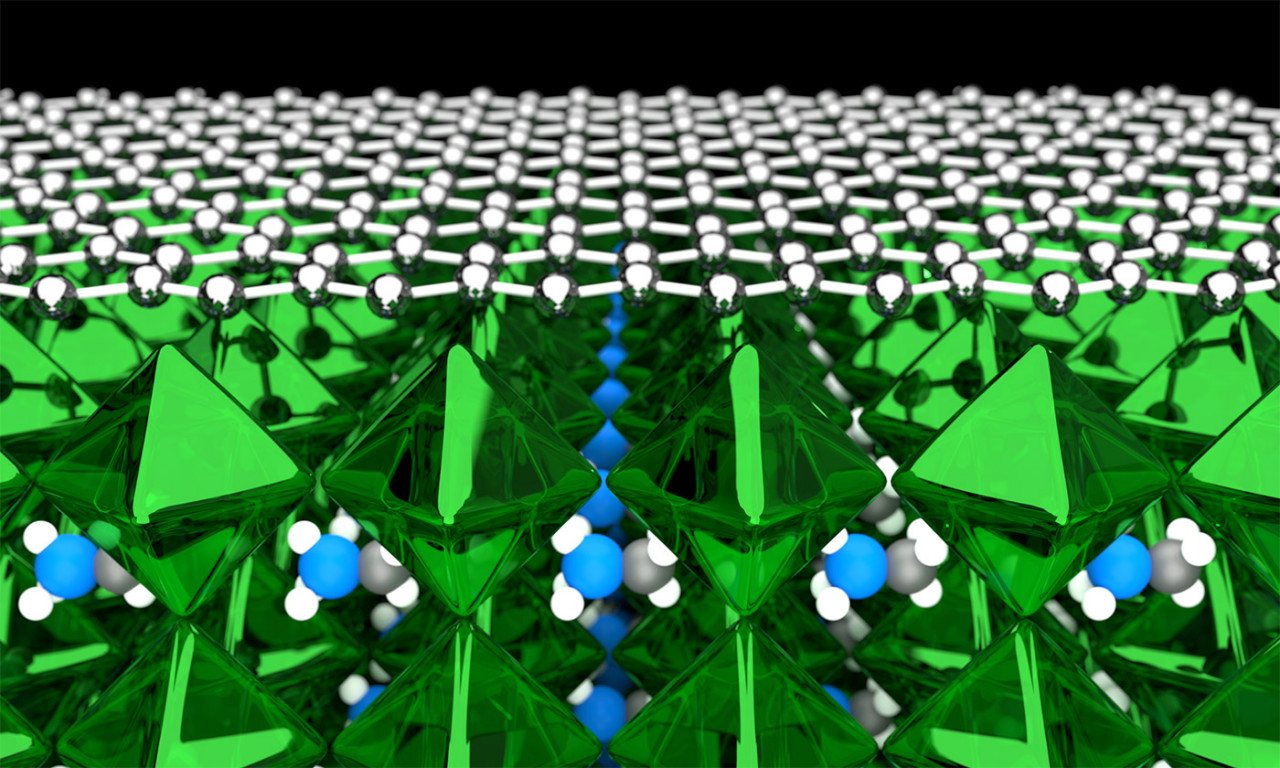
Researchers from the U.S. and Japan have demonstrated that they can store and retrieve information magnetically in a new class of materials.

UT News
Texas Engineers and Scientists to Launch $15.6 Million Center for Materials Research
The NSF grant, distributed over a six-year period through its Division of Materials Research, will launch a new Materials Research Science and Engineering Center (MRSEC) headquartered at UT Austin and aimed at advancing materials through fundamental science.

New Superconductor Could Pave Way to Practical Quantum Computers
A new superconducting material might allow the construction of quantum computers that are more resistant to outside noise.

Researchers Win $2 Million Grant to Develop Atomically Thin Semiconductors
Xiaoqin Elaine Li's team could help enable bendable computer screens and wearable electronics
